
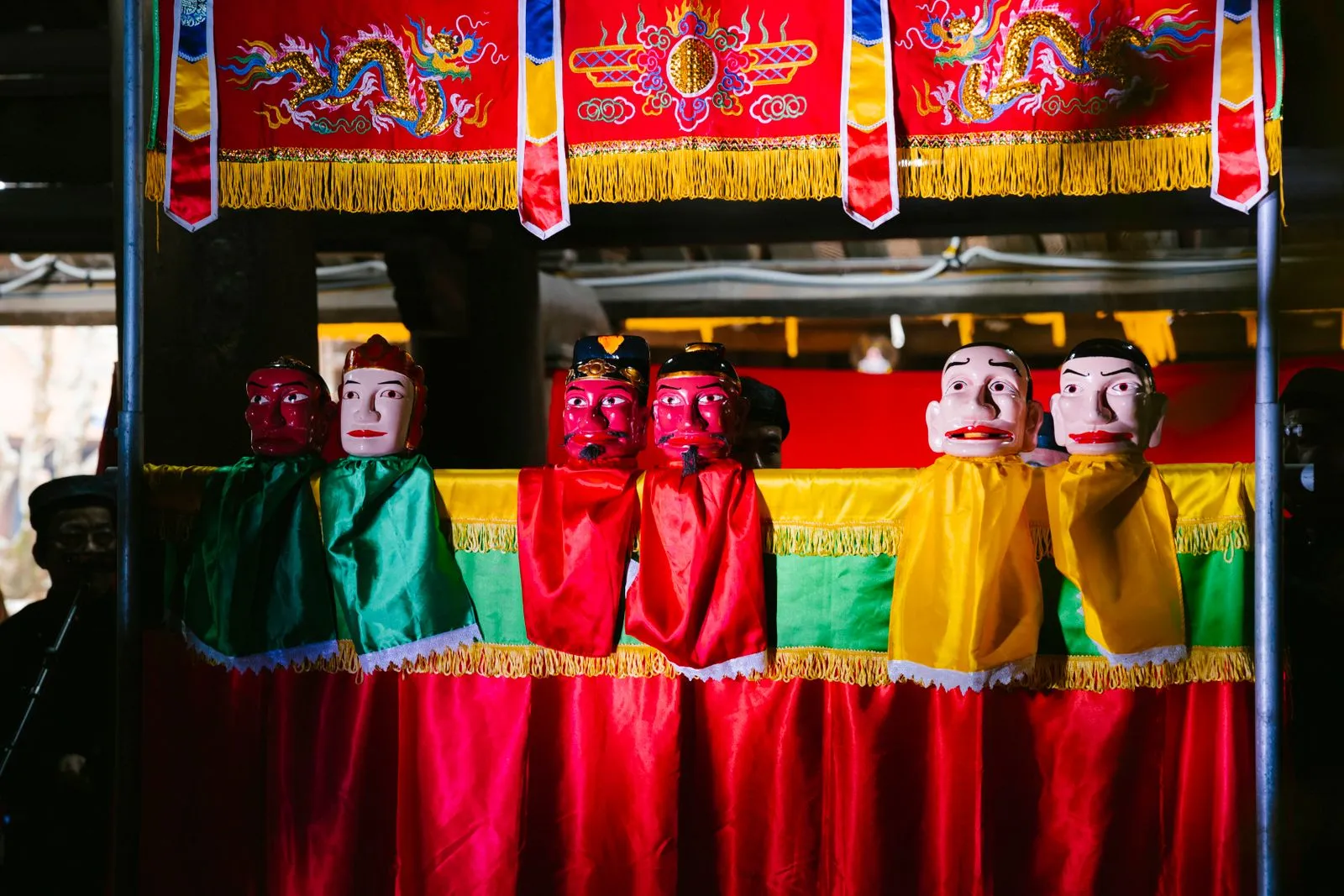
A puppet character needs a voice the audience can recognize and understand, even when dialogue moves quickly. Clear performance starts with deliberate choices: pitch, rhythm, volume, and precise consonants. These puppet voice exercises help performers build distinct characters without straining their voices or relying on exaggerated accents. Work through them at a comfortable volume, record a short sample when possible, and listen for whether each character sounds different and every word remains easy to follow.
Choose Distinct Vocal Traits
Give each character two or three vocal traits before rehearsing. One might speak in a low, steady register with short phrases; another might use a brighter pitch and quicker rhythm. Keep the traits manageable. A character does not need a new accent or an extreme voice to sound distinct, and familiar vocal patterns are easier to sustain through a full performance.
Try a contrast exercise: say the same neutral sentence as each character, such as “I found the missing key.” Change one trait at a time—pitch, pace, or tone—so you can hear what each choice contributes. Then combine the traits. If the voices blur together, strengthen one difference rather than adding several competing effects.
Control Pace and Pauses
Pacing shapes a character’s personality and gives the audience time to process information. Read a line once at a natural speed, then repeat it slowly enough to make every thought clear. Mark a small pause before an important word or after a surprising reveal. Avoid stretching every phrase; varied timing sounds more conversational and keeps a scene moving.
Use a pacing ladder with one short line. Speak it slowly, at a moderate pace, and then slightly faster while keeping the words distinct. Record the versions and note where clarity drops. For a fast-talking character, shorten pauses between phrases rather than rushing through consonants. Let the character’s energy come from rhythm, not from sacrificing understandable speech.
Warm Up Articulation
Warm up your mouth and tongue before rehearsal with gentle lip trills, relaxed jaw movements, and clear vowel sounds. Then practice consonant patterns such as “pa, ta, ka” at an easy pace. Keep your throat comfortable and stop if your voice feels strained. The goal is flexible, precise speech—not maximum volume or force.
Choose a difficult line from the script and speak it slowly, making the beginning and ending of each word audible. Repeat it at performance speed without losing those edges. Tongue twisters can help, but accuracy matters more than speed. If a phrase remains unclear, simplify the breath group by pausing at a natural point in the sentence.
Match Voice to Puppet
A voice feels convincing when it fits the puppet’s movement and the scene. Practice a short line while operating the puppet, then check that the mouth movement and spoken syllables align. Keep the puppet’s mouth still during pauses, and open it in time with speech. This coordination helps the audience connect the voice to the character rather than to the performer.
Ask a listener to identify each character and repeat a key line after a rehearsal. Their response can reveal whether voices are distinct and words are clear from the audience’s perspective. Adjust one element at a time: slow a phrase, sharpen a consonant, or alter a character’s pitch slightly. Mountain Stage Puppetry in Charleston, WV, offers a place to develop puppet performance skills through practice.
Clear puppet voices come from repeatable choices, not strain or volume. Practice character contrasts, measured pauses, precise consonants, and voice-to-puppet coordination in short sessions. Record and review a few lines, then adjust what listeners find difficult to follow. Build these exercises into rehearsal to help every character sound distinct and every story point land.